Chicken Run Ideas Using Recycled Materials
Highlighted under: Family Ideas
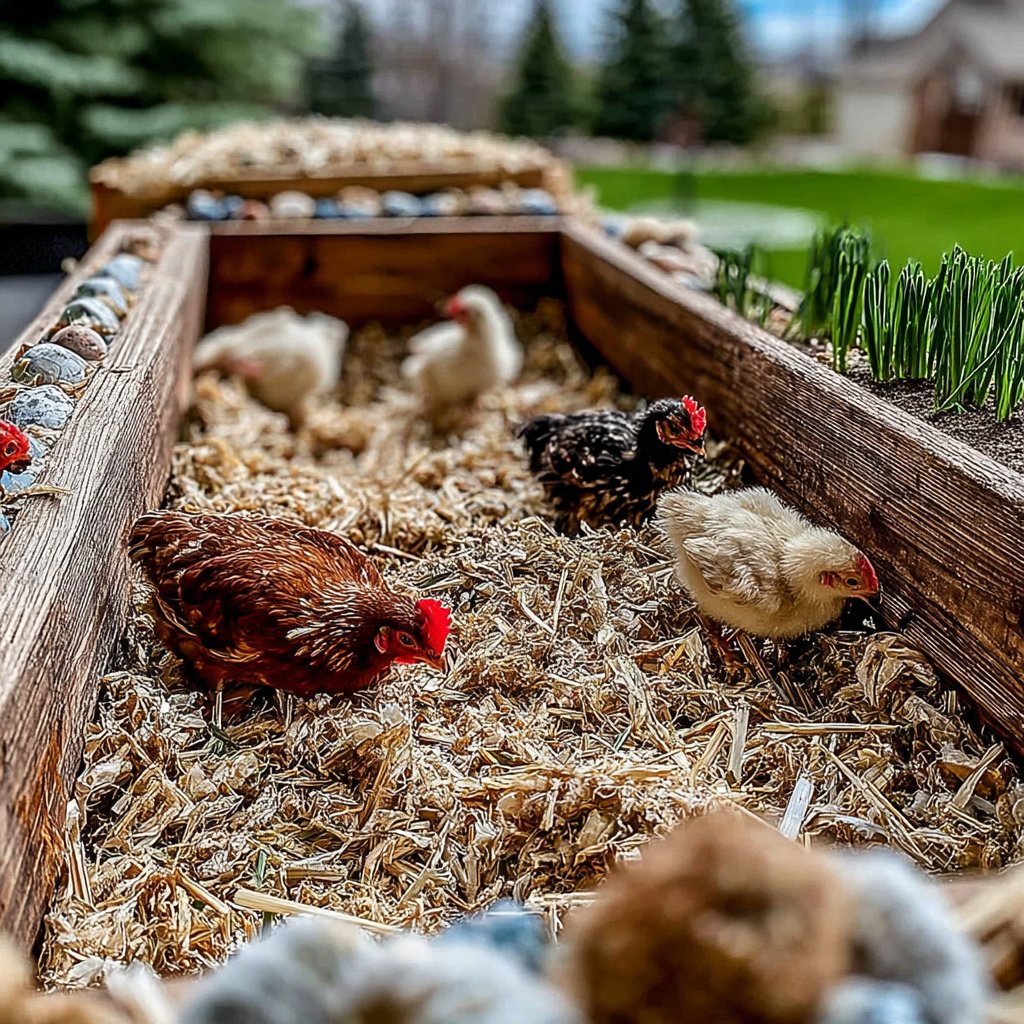
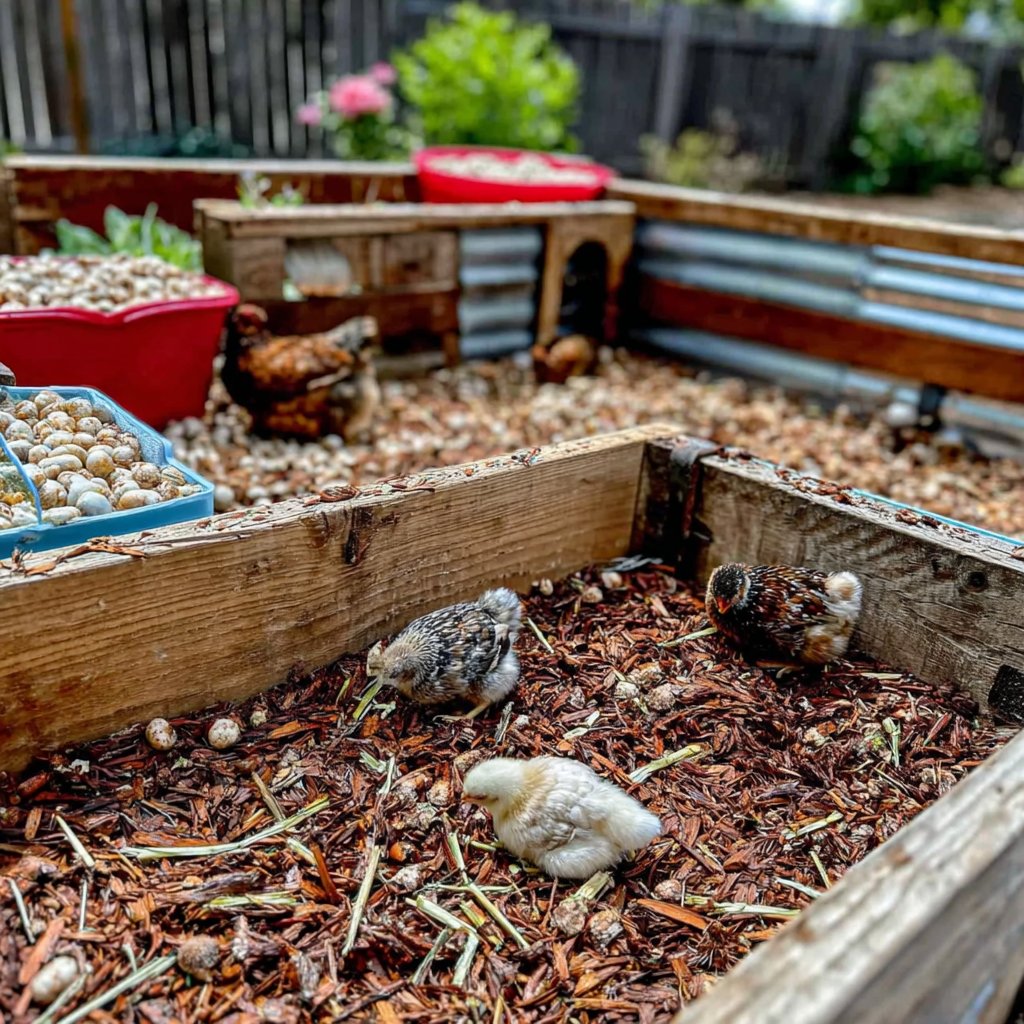
I believe that creating a sustainable chicken run can be both fun and eco-friendly. By repurposing materials you might already have, not only do you reduce waste, but you also save money while building a cozy home for your chickens. Through trial and error, I've discovered several inventive ways to make use of old pallets, unused garden tools, and other recycled items. In this guide, I want to share my best ideas for designing a chicken run that is both practical and resourceful, ensuring your feathered friends have a safe and happy environment.
When I first decided to build a chicken run, I was overwhelmed by the options and materials available. However, I found inspiration in the idea of using recycled materials. By exploring my backyard and garage, I came up with creative ways to utilize old fences and scrap wood. Not only did this save me money, but it also allowed me to create a charming, individualized space for my chickens. Each piece I incorporated told a story of its own.
One of my favorite projects involved constructing nesting boxes from old wooden crates. They not only look rustic but are also easy to access for both the chickens and myself. Learning how to adapt materials to suit my needs was empowering, and I took extra care to ensure everything was safe and sturdy. This method is a fantastic way to harness creativity while caring for our environment.
Why You Will Love This Project
- Eco-friendly approach to poultry care
- Cost-effective solutions using common materials
- Customizable designs that reflect your style
- Offers a fun project for DIY enthusiasts
Repurposing Pallets for Structure
Using old pallets as the main structure of your chicken run is a great way to create a sturdy yet lightweight framework. When selecting pallets, look for those that are not damaged and free from chemicals. Disassemble them carefully using a crowbar to avoid breaking the wood. Once you have your pieces, you can arrange them in a rectangular shape, securing corners with wood screws for added stability. This method not only reduces waste but also provides a rustic aesthetic to your chicken run.
Ensure that the pallets you choose are well-sanded to prevent splinters, which can harm your chickens. If you prefer a more finished look, consider painting or treating the wood with non-toxic sealants. This can prolong the life of the pallets and make cleanup easier. Additionally, adding a roof made from an old sheet of corrugated metal can provide shelter and protection from predators, ensuring your chickens feel safe and secure.
Utilizing Garden Tools as Fencing
Repurposing old garden tools as fencing elements can add an interesting twist to your chicken run while enhancing its security. Garden rakes, shovels, or even old wheelbarrows can be creatively arranged to form barriers. For stability, dig a trench about two feet deep, then place the tools upright in the ground before backfilling with dirt. This technique not only keeps your chickens contained but also offers an artistic flair that shows off your DIY spirit.
Make sure the tools you use are sturdy enough to resist bending or breaking. If you're using metal tools, it might be beneficial to apply a rust-resistant coating to prolong their life outdoors. Additionally, you can intertwine branches or vines through the handles of tools for added camouflage and aesthetic appeal, creating a natural habitat for your chickens to enjoy.
Creative Enrichment with Recycled Materials
Providing enrichment for your chickens is essential for their well-being. Recycled materials like cardboard boxes and plastic bottles can be transformed into fun activities. For instance, you can cut holes in a cardboard box and fill it with their favorite forage, encouraging them to peck and scratch as they discover the hidden treats inside. This stimulates their natural foraging instincts and keeps them physically active.
Plastic bottles can also be used to create a simple feeder that minimizes waste. Just cut a few openings in the side, then fill the bottle with feed and hang it from the run structure. This not only saves money but also provides a challenging way for chickens to access their food, keeping them engaged and entertained throughout the day.
Pro Tips
- Consider the safety of your chickens by ensuring all recyclable materials are free from chemicals or sharp edges. It's also a good idea to regularly check for any wear and tear on the run.
Potential Pitfalls to Avoid
One common issue when building a chicken run with recycled materials is structural instability. Always check that your base is level and solid, as uneven ground can lead to leaning or collapse over time. To avoid this, take the time to level the area beforehand, and consider using stakes to anchor heavier items like pallets or fences firmly into the ground.
Another potential pitfall is selecting materials that may not be safe for chickens. For instance, avoid using treated wood or anything with toxic chemicals. If you're unsure about certain materials, do a bit of research before incorporating them into your build. Always err on the side of caution to ensure a safe, healthy environment for your chickens.
Seasonal Considerations
As seasons change, your chicken run may require adjustments to ensure your birds remain comfortable. In the winter months, consider adding insulation or creating windbreaks using burlap or old blankets if you are using an open-design structure. This will help maintain warmth and protect your chickens from harsh winds during the cold season.
In warmer months, ensure your chickens have access to shade, perhaps by adding a tarp or canopy made from recycled fabrics. Keeping the run well-ventilated is also key; avoid overcrowding the space with too many items, as this can trap heat and cause discomfort for your chickens.
Maintenance and Upkeep
Regular maintenance of your chicken run is essential for the health of your flock. Periodically check for any signs of wear or damage, particularly in pallet seams or fencing created from tools. Repair or replace any compromised sections to maintain security and structural integrity.
Cleaning is also crucial; remove waste and debris regularly to prevent disease and attract pests. In case of a rainy season, ensure proper drainage around your run by incorporating gravel or similar materials in the base. This will keep the ground from becoming muddy and reduce the risk of foot infections in your chickens.
Questions About Recipes
→ What types of recycled materials can I use?
You can use old wood pallets, metal scraps, chicken wire, and even old furniture to create a spacious run.
→ How can I ensure the safety of my chickens?
Make sure all materials are sturdy and free from sharp edges. Ensure that the run is secure against predators.
→ Is it possible to create a mobile chicken run?
Absolutely! Using wheels or building it on skids can allow for easy movement of the chicken run around your yard.
→ Are there any specific designs that work best?
Rectangular runs are the most efficient, but you can also create interesting shapes based on the materials available.
Chicken Run Ideas Using Recycled Materials
Extra Tips
- Consider the safety of your chickens by ensuring all recyclable materials are free from chemicals or sharp edges. It's also a good idea to regularly check for any wear and tear on the run.
Nutritional Breakdown (Per Serving)
- Calories: 0 kcal