Korean Bibimbap
Highlighted under: Fusion Ideas
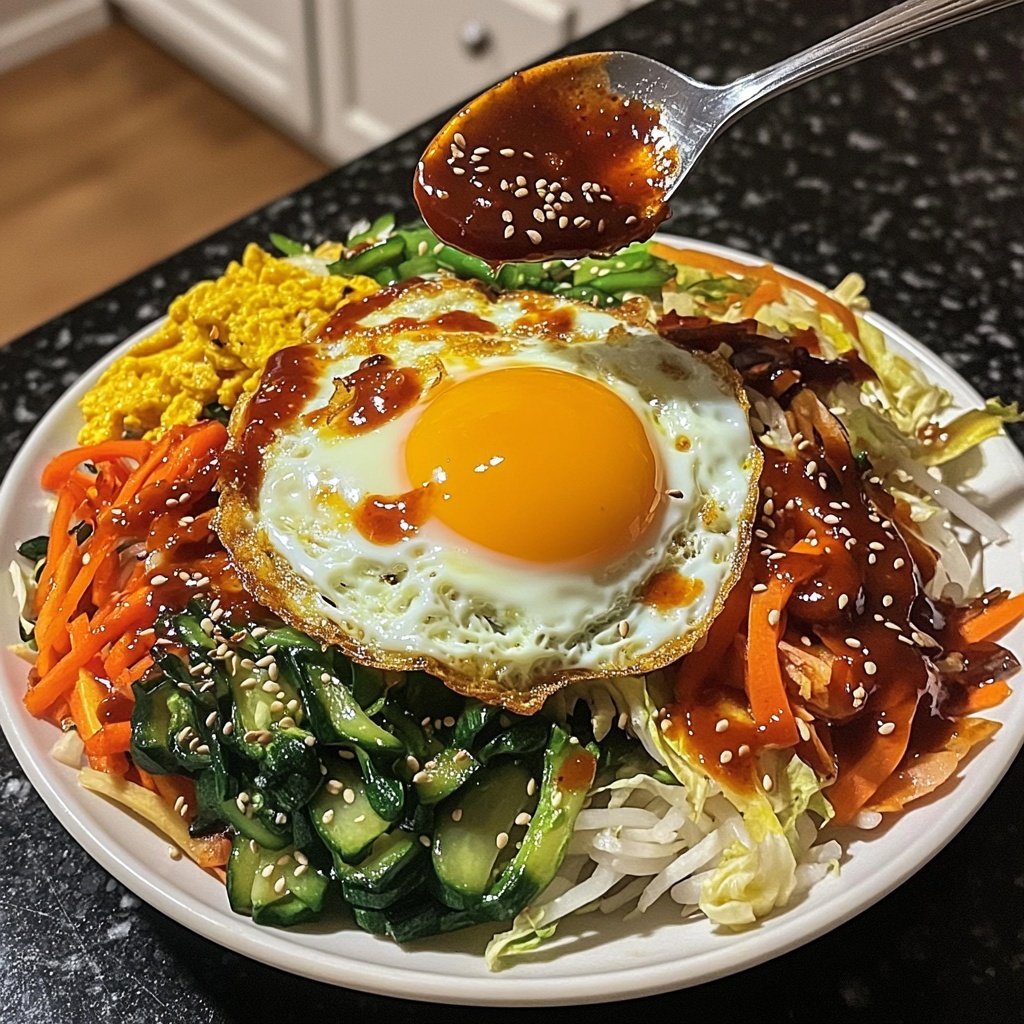
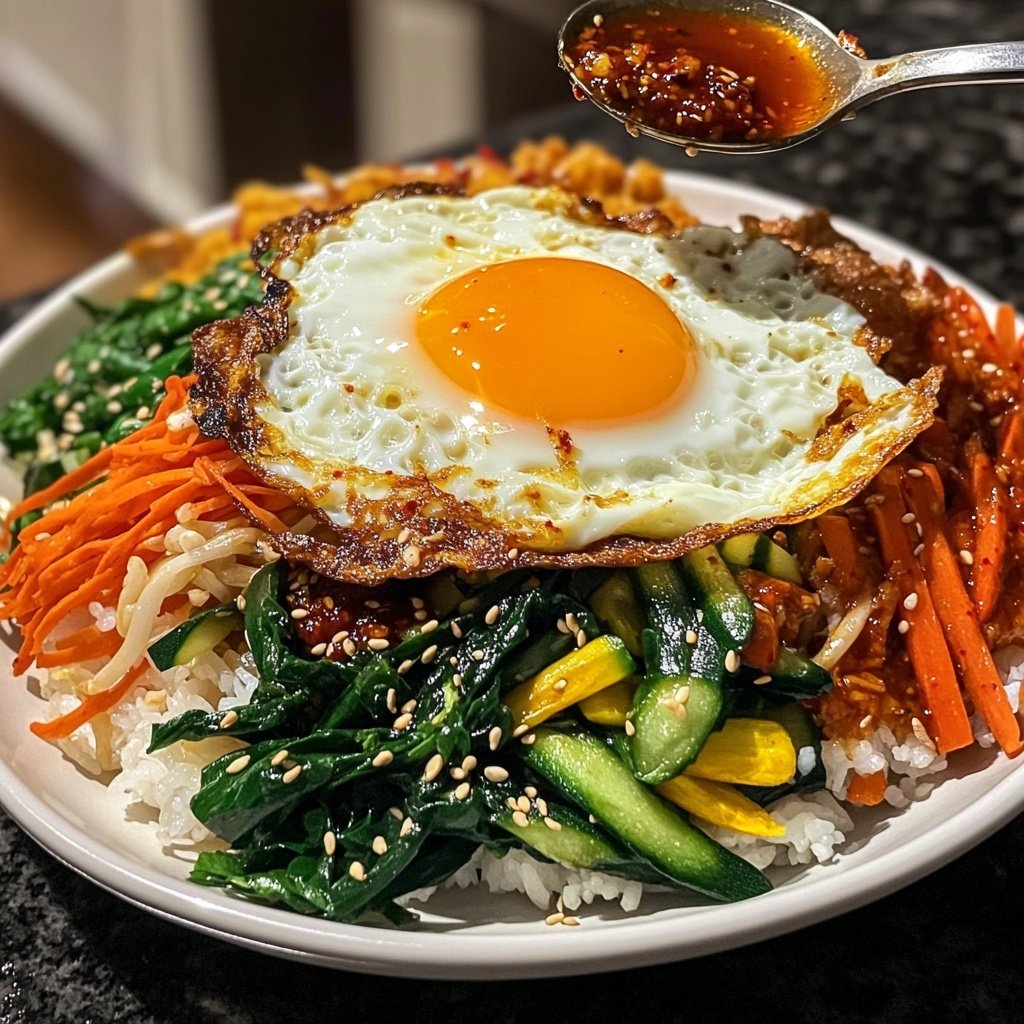
Korean Bibimbap is a vibrant and delicious dish that combines rice with a variety of vegetables, eggs, and your choice of protein, all topped with a spicy gochujang sauce.
Korean Bibimbap is not just a meal; it's a culinary experience that showcases the harmony of flavors and textures found in Korean cuisine. This colorful dish reflects the spirit of Korean culture, bringing together fresh ingredients and bold flavors.
Why You'll Love This Recipe
- A beautiful presentation that makes every bowl a work of art
- Endless variations with your choice of vegetables and protein
- A perfect balance of spicy, savory, and fresh flavors
The Heart of Bibimbap
Bibimbap, which translates to 'mixed rice', is more than just a meal; it’s a celebration of flavors and textures. Originating from Korea, this dish showcases the beauty of seasonal vegetables, vibrant colors, and hearty proteins. The layering of ingredients not only creates a feast for the eyes but also invites a delightful mix of tastes in every bite. Whether enjoyed at home or in a bustling restaurant, bibimbap serves as a reminder of the artistry of Korean cuisine.
At its core, bibimbap is a versatile dish. The base of rice serves as a canvas for a variety of toppings, allowing you to customize each bowl to suit your preferences. From crunchy vegetables like cucumbers and radishes to rich proteins like bulgogi or tofu, the possibilities are endless. This adaptability makes bibimbap an excellent choice for both meat lovers and vegetarians alike, ensuring that everyone can enjoy this iconic dish.
Health Benefits of Bibimbap
Korean bibimbap is not only delicious but also incredibly nutritious. Packed with an array of vegetables, this dish offers a wealth of vitamins and minerals essential for overall health. The inclusion of leafy greens like spinach and various colorful vegetables ensures diverse nutrient intake, contributing to a balanced diet. Moreover, the use of gochujang adds a spicy kick that may boost metabolism and enhance digestion.
Additionally, incorporating lean proteins such as chicken or tofu into your bibimbap contributes to muscle health and satiety, making it a perfect meal for those looking to maintain or lose weight. The combination of fiber from the vegetables and carbohydrates from the rice provides sustained energy, making this dish not only satisfying but also a great option for lunch or dinner.
Tips for the Perfect Bibimbap
To create the ultimate bibimbap experience, focus on the quality of your ingredients. Fresh, seasonal vegetables will enhance the overall flavor and texture of the dish. When preparing your vegetables, try to maintain their natural crunch by avoiding overcooking. A quick sauté will bring out the flavors while preserving their vibrant colors, making your bowl visually appealing and tasty.
Don't forget about presentation! The beauty of bibimbap lies in its colorful arrangement. Layer your ingredients in a way that showcases each component, and consider using a variety of colors and textures to entice the eye. Finally, encourage diners to mix their bowls thoroughly before eating; this blending of flavors is where the magic truly happens.
Ingredients
For the Bibimbap
- 2 cups cooked rice
- 1 cup spinach, blanched
- 1 cup bean sprouts, blanched
- 1 carrot, julienned
- 1 zucchini, julienned
- 4 shiitake mushrooms, sliced
- 4 eggs
- 4 tablespoons gochujang (Korean chili paste)
- 2 tablespoons sesame oil
- Salt to taste
Optional Protein
- 1 cup ground beef, cooked
- 1 cup grilled chicken, sliced
- 1 cup tofu, diced and pan-fried
Feel free to customize your bibimbap with any seasonal vegetables or proteins you prefer!
Instructions
Prepare the Vegetables
In a pan, heat sesame oil over medium heat. Sauté zucchini, carrot, and mushrooms until tender. Season with a pinch of salt. Set aside.
Cook the Eggs
In the same pan, fry the eggs sunny-side up until the whites are set but the yolks remain runny.
Assemble the Bibimbap
In a large bowl, place a serving of rice at the bottom. Arrange the sautéed vegetables, spinach, and bean sprouts on top of the rice. Add your choice of protein and finish with a fried egg.
Add Gochujang
Drizzle gochujang over the top of the bibimbap. Serve immediately, allowing each person to mix their bowl to their liking.
Enjoy your delicious homemade Korean Bibimbap!
Pro Tips
- For an extra layer of flavor, try adding a sprinkle of sesame seeds or chopped green onions before serving.
Storing and Reheating Bibimbap
If you have leftover bibimbap, store the components separately to maintain freshness. Keep the rice, vegetables, and protein in airtight containers in the refrigerator. This method will prevent the vegetables from becoming soggy and ensure that your meal retains its original texture and flavor when reheated.
When you're ready to enjoy your leftovers, simply reheat the rice in the microwave and sauté the vegetables briefly in a pan to bring them back to life. You can also add a splash of sesame oil for additional flavor. Fry a fresh egg to top it off, and you’ll have a quick and delicious meal ready to go!
Pairing Suggestions
Bibimbap can be enjoyed on its own, but it pairs wonderfully with a variety of side dishes. Consider serving it with traditional Korean banchan, such as kimchi, pickled radishes, or seasoned seaweed. These small dishes not only complement the flavors of bibimbap but also enhance the overall dining experience by adding depth and variety to your meal.
For a refreshing drink, serve your bibimbap with a glass of barley tea or a light Korean rice wine called makgeolli. These beverages can balance the heat of the gochujang and provide a pleasant contrast to the flavors in your bowl.
Questions About Recipes
→ Can I make bibimbap vegan?
Yes! Simply omit the eggs and use tofu or additional vegetables as your protein.
→ What is gochujang?
Gochujang is a Korean chili paste made from red chili powder, glutinous rice, fermented soybeans, and salt.
→ Can I prepare the vegetables in advance?
Absolutely! You can sauté the vegetables and store them in the refrigerator for up to 3 days.
→ Is bibimbap served hot or cold?
Bibimbap is typically served warm, but you can adjust the temperature to your preference.
Korean Bibimbap
Created by: Frederica Houghton
Recipe Type: Fusion Ideas
Skill Level: Intermediate
Final Quantity: 4 servings
What You'll Need
For the Bibimbap
- 2 cups cooked rice
- 1 cup spinach, blanched
- 1 cup bean sprouts, blanched
- 1 carrot, julienned
- 1 zucchini, julienned
- 4 shiitake mushrooms, sliced
- 4 eggs
- 4 tablespoons gochujang (Korean chili paste)
- 2 tablespoons sesame oil
- Salt to taste
Optional Protein
- 1 cup ground beef, cooked
- 1 cup grilled chicken, sliced
- 1 cup tofu, diced and pan-fried
How-To Steps
In a pan, heat sesame oil over medium heat. Sauté zucchini, carrot, and mushrooms until tender. Season with a pinch of salt. Set aside.
In the same pan, fry the eggs sunny-side up until the whites are set but the yolks remain runny.
In a large bowl, place a serving of rice at the bottom. Arrange the sautéed vegetables, spinach, and bean sprouts on top of the rice. Add your choice of protein and finish with a fried egg.
Drizzle gochujang over the top of the bibimbap. Serve immediately, allowing each person to mix their bowl to their liking.
Extra Tips
- For an extra layer of flavor, try adding a sprinkle of sesame seeds or chopped green onions before serving.
Nutritional Breakdown (Per Serving)
- Calories: 500 kcal
- Total Fat: 18g
- Saturated Fat: 4g
- Cholesterol: 210mg
- Sodium: 750mg
- Total Carbohydrates: 70g
- Dietary Fiber: 6g
- Sugars: 5g
- Protein: 22g