Small Backyard Chicken Run Plan
Highlighted under: Simple Ideas
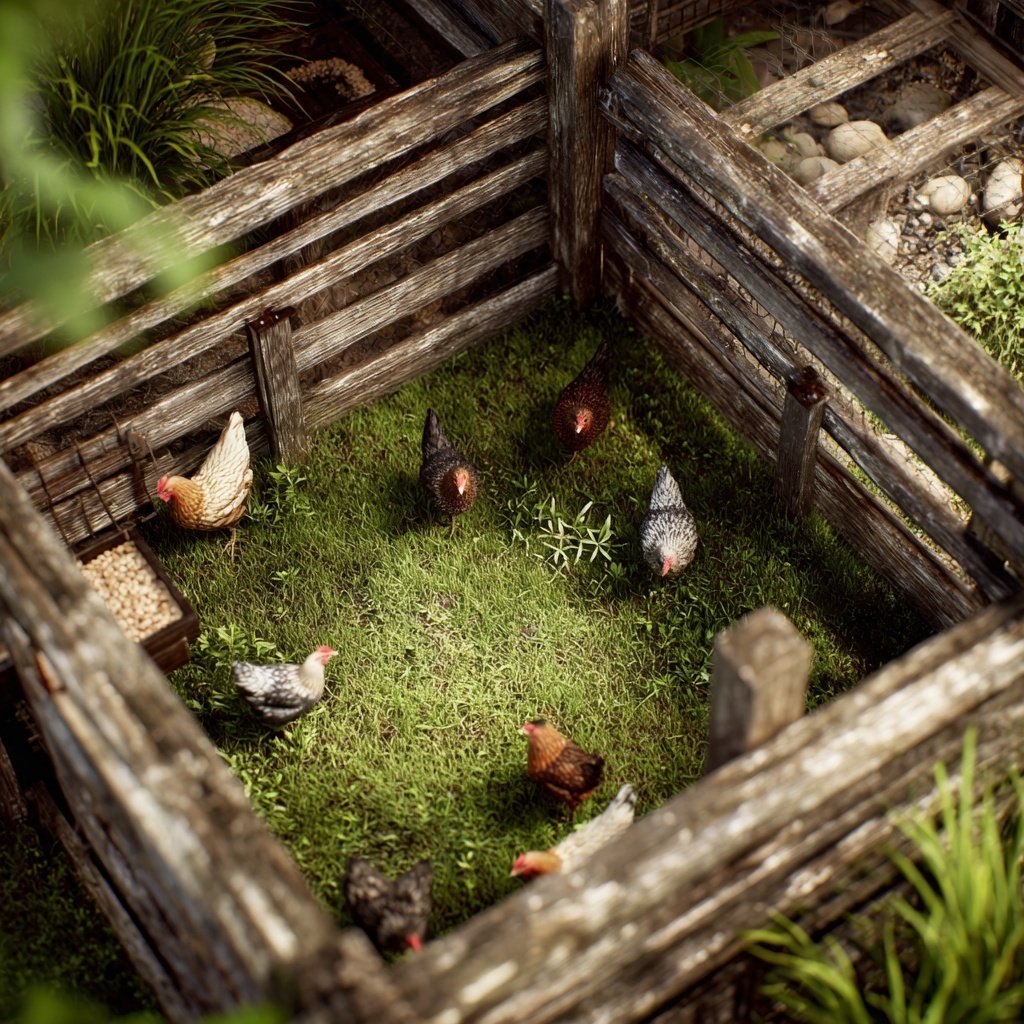
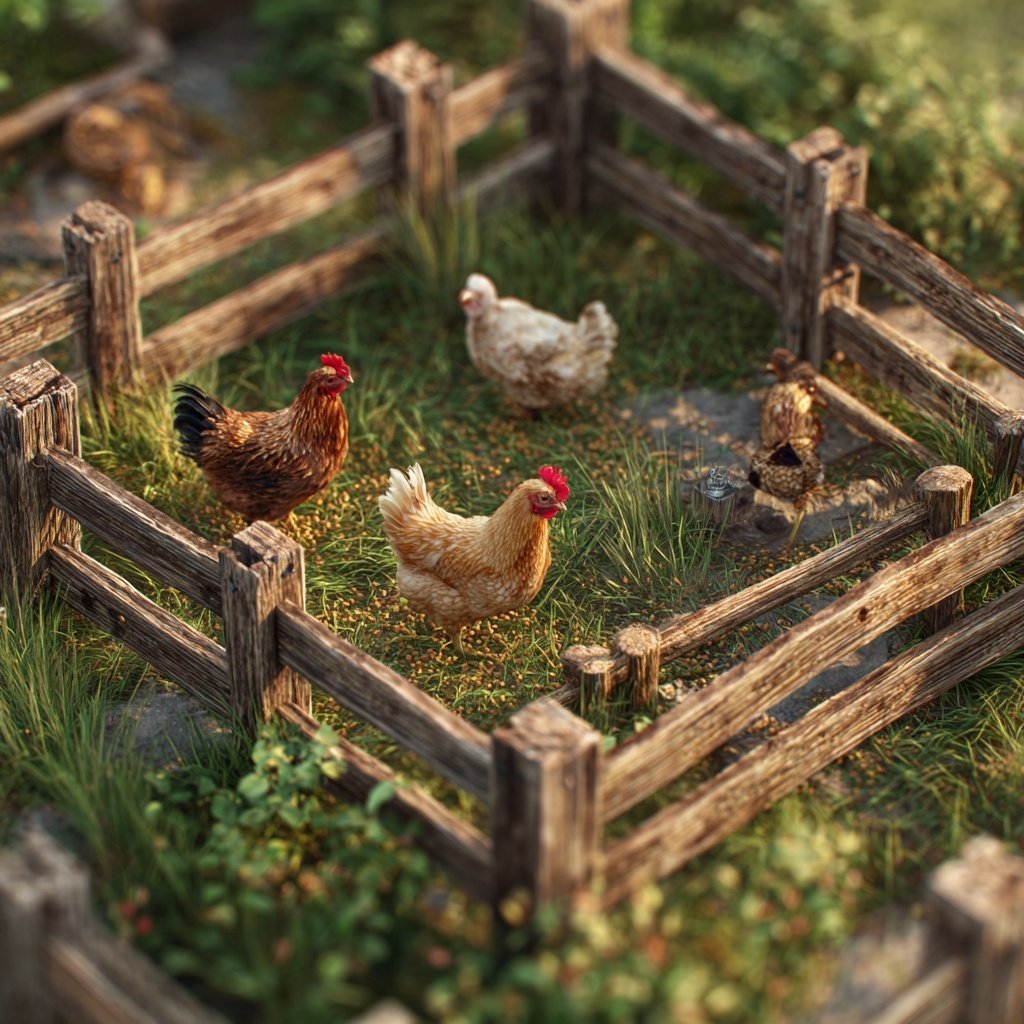
I love spending time outdoors, and having a small chicken run in my backyard has been a delightful addition to my home. My chickens provide fresh eggs and endless entertainment, making this project worthy of a weekend. With careful planning and a few materials, I transformed a corner of my yard into a cozy home for my feathered friends. This guide will walk you through the essential steps and tips for creating your own chicken run that fits well in a small space, ensuring both the safety of the chickens and the aesthetics of your yard.
Setting up my backyard chicken run was a rewarding experience that combined both creativity and practicality. I took the time to design a layout that not only optimized space but also considered my chickens' needs for shelter and room to roam. Adding access points for cleaning and maintenance made life much easier.
During the planning phase, I realized the importance of using durable materials, especially for the fencing, to keep the chickens safe from predators. I opted for a combination of chicken wire and wooden supports, ensuring longevity while maintaining a rustic aesthetic that blends with my garden.
Why You Will Love This Chicken Run
- Provides fresh eggs right from your backyard
- Creates a charming addition to your garden
- Encourages sustainable living and gardening practices
Designing Your Chicken Run
When planning your chicken run, consider the available space and the number of chickens you want to accommodate. Aim for at least 10 square feet per chicken to ensure they have enough room to roam. A rectangular design often maximizes space efficiently, but think creatively about how you can incorporate existing garden structures or fencing to minimize costs. Additionally, orient the run to catch sunlight, which can help in maintaining a warm environment for your chickens and encourages healthy egg production.
Using strong materials is essential for a durable chicken run. Hardware cloth is often preferred over chicken wire due to its sturdiness and resistance to predation. When constructing the walls, ensure that the cloth is securely attached to prevent small animals from gaining access. It's also wise to bury the bottom of the fencing a few inches underground to discourage digging predators. These considerations combine safety and longevity for your feathered friends.
Choosing the Right Accessories
Think about the accessories that will enhance your chickens' living environment. Nesting boxes should be included to encourage egg-laying; a good rule of thumb is to provide one box for every three hens. Make your nesting boxes cozy using soft bedding materials like straw or pine shavings. This will not only make the boxes more inviting but also keep the eggs clean and safe from breakage.
Roosting bars are another vital element in a chicken run. Chickens love to perch at night, and having elevated spaces provides them with a sense of security. Place the bars at varying heights to accommodate different chickens' preferences, typically around 18-24 inches off the ground. Ensure the bars are sturdy enough to hold the weight of your flock and are easy to clean to maintain a healthy living area.
Maintaining Your Chicken Run
Regular maintenance is crucial for a successful chicken run. Cleaning out waste and spent bedding weekly will help minimize odors and reduce the risk of pests. I recommend setting a schedule that aligns with your routine to make this task manageable. A good practice is to replace bedding materials entirely every month, which helps maintain a fresh environment for your birds and encourages consistent egg production.
Additionally, monitor your chickens' health and behavior closely. Look out for signs of stress or illness, such as increased squawking or reduced egg output. Keeping a log of their egg production can also help you identify any potential health issues early on. Setting up a regular routine for checking food and water supplies will ensure your chickens stay healthy and produce those fresh eggs you’re looking forward to enjoying.
Pro Tips
- Always ensure your chicken run is secure from predators and provide ample space for your chickens to roam freely.
Egg Storage Tips
Fresh eggs can be stored safely at room temperature for up to three weeks. However, if you want your eggs to last longer, refrigerating them can extend their freshness for about three months. Make sure to keep them in the main compartment of your fridge, not in the door, as the temperature fluctuates more there. If you wash your eggs, dry them immediately and refrigerate to prevent foodborne illness.
Additionally, consider marking the date on your eggs using a pencil, which can help track their freshness. When using older eggs for baking, crack them into a separate bowl first to check for any odd odors before adding them to your final recipe. This minimizes waste and ensures you only use the best eggs.
Troubleshooting Common Issues
If you notice your chickens aren't laying eggs, it could be due to several factors, including stress, diet, or light exposure. Ensure they are getting a balanced diet rich in proteins, minerals, and vitamins, and provide fresh water daily. Additionally, increasing their light exposure can help stimulate egg production in the darker months—many chicken owners use artificial light in their coops to maintain light levels.
Pest issues can also disrupt the harmony of your chicken run. Regular inspections of the area will help catch problems early. In the event of a pest infestation, consult with a local farm supply store for natural deterrents or traps that are safe for your chickens. Maintaining a tidy environment mitigates many pest problems, so regular cleaning goes a long way.
Creative Chicken Run Designs
For those with a flair for creativity, consider incorporating unique structures into your chicken run. A planted roof made of succulents or hardy plants can provide shade and additional insulation, while ensuring the area remains aesthetically pleasing. This not only helps regulate temperatures but also contributes to a more natural habitat for your chickens.
You could also build mobile chicken runs, known as 'chicken tractors,' allowing you to move your chickens around the yard. This rotational grazing method gives your chickens fresh grass and foraging opportunities while helping to fertilize your lawn. Just be mindful of their safety when changing locations, ensuring their new area is secure from predators.
Questions About Recipes
→ How much space do chickens need in a run?
Chickens typically need a minimum of 10 square feet per bird in the run for them to be comfortable.
→ What materials should I use for the chicken run?
Using treated wood for the frame and sturdy chicken wire for the fencing is recommended for durability.
→ Can I keep more than one breed of chicken together?
Yes, but it is important to introduce them slowly to prevent bullying and stress among the birds.
→ How often should I clean the chicken run?
Try to clean the run at least once a week to maintain hygiene and keep your chickens healthy.
Small Backyard Chicken Run Plan
Created by: Frederica Houghton
Recipe Type: Simple Ideas
Skill Level: Beginner
Final Quantity: 1 run
Extra Tips
- Always ensure your chicken run is secure from predators and provide ample space for your chickens to roam freely.
Nutritional Breakdown (Per Serving)
- Calories: 0 kcal
- Total Fat: 0g
- Saturated Fat: 0g
- Cholesterol: 0mg
- Sodium: 0mg
- Total Carbohydrates: 0g
- Dietary Fiber: 0g
- Sugars: 0g
- Protein: 0g